
A Guide To Teaching Dog Bark Control
- More than wordd
- Nov 24, 2023
- 2 min read

Updated: Dec 13, 2023
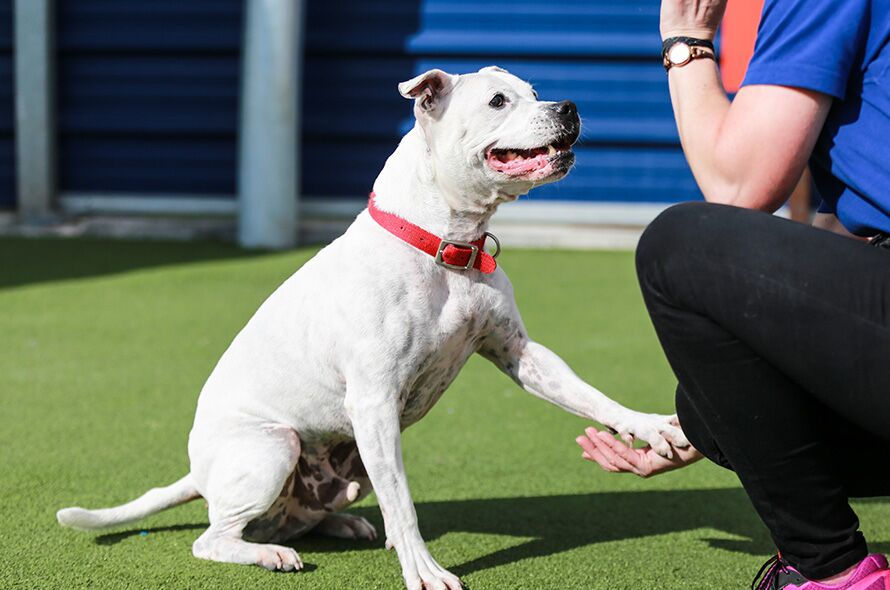
Ever wondered if your furry friend could carry on a conversation? Well, teaching your dog to "speak" not only adds a fun trick to their repertoire but can also help curb excessive barking. After all, barking is your dog's way of expressing themselves. So, let's dive into the art of teaching your dog to bark on cue and, just as importantly, to be quiet when needed.
Mastering Silence: Teach 'Quiet' First
If your dog is a bit of a chatterbox, it's wise to start with the hush command. Grab some small, delectable treats, and let the training commence. Reward your dog with a treat between barks, making it clear that the reward is for silence, not the bark itself. Utilize a marker, be it a clicker or a simple "yes" from your vocal repertoire, precisely at the moment of quiet. Begin with short periods of quiet and gradually extend the duration.

Once your dog consistently responds with the desired behavior, introduce a verbal cue like "quiet." Timing is crucial; ensure you associate the cue with the behavior only after your dog is consistently delivering the desired silence. Move the cue backward gradually until it precedes the behavior. With practice, your dog will associate the cue with the expected response.
Finding Their Voice: Teaching 'Speak'
To teach your dog to speak, having another dog play the role of a vocal mentor can work wonders. Secure both dogs and position yourself to reward the speaking behavior promptly. Treats are the key motivator in this process.
If a mentor isn't available, tether your dog and present the treat enticingly. Most dogs, eager to please, will attempt behaviors that have earned them rewards in the past. When any sound is produced – be it a whine or yip – mark the moment with a click or a verbal "yes" and reward accordingly. Repeat this process, gradually encouraging barking.
Be cautious not to unintentionally encourage incessant barking for treats. Reward your dog for speaking only when asked, and dismiss unsolicited barking by turning away or walking off. Consistency is key.

Fine-Tuning the Dialogue: Practice Makes Perfect
For optimal results, regularly practice both the 'quiet' and 'speak' cues, ensuring the sessions remain enjoyable. Talkative dogs thrive on interaction, so make it a fun and engaging experience. However, if your dog isn't enjoying the process, don't force it – move on to something both of you will relish.

In the end, whether your dog becomes a canine virtuoso or prefers to keep quiet, the key is to foster a positive learning experience for both of you. Happy training!.


Training dogs to control their barking is such a valuable skill! Teaching 'quiet' first is a great approach for managing excessive barking. At ThePetsLover.com, we love sharing positive training techniques that strengthen the bond between pets and their owners. Thanks for these helpful tips!